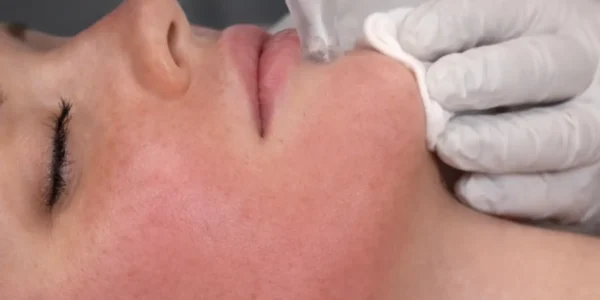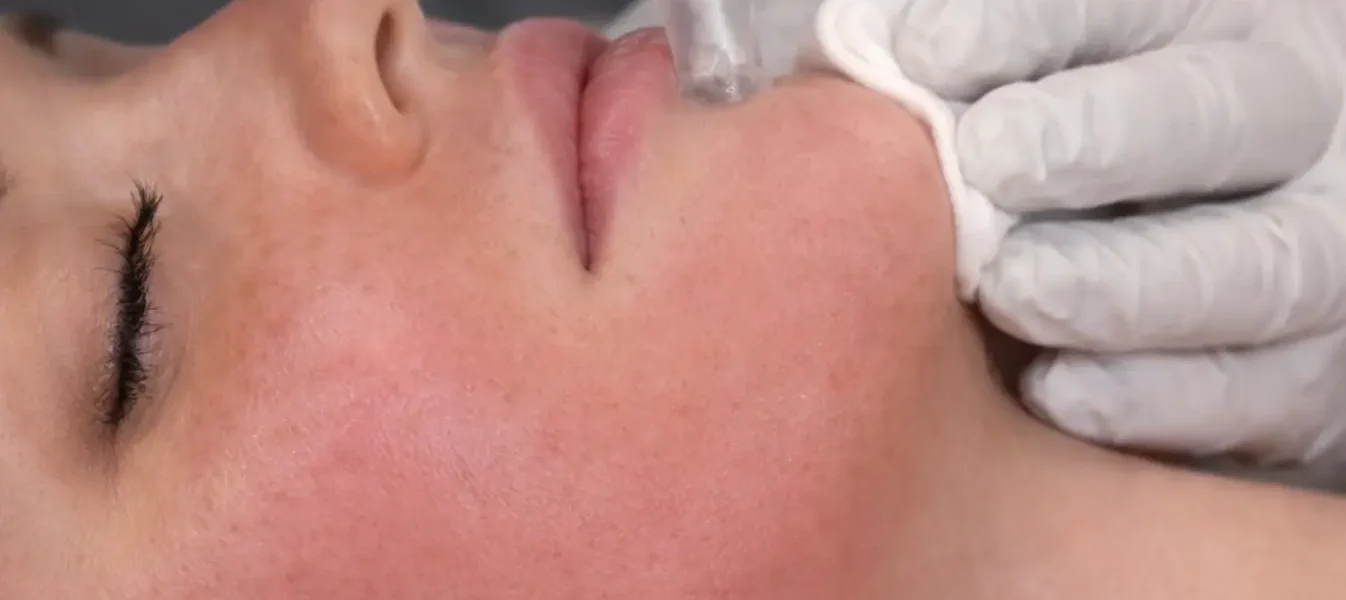

When clients ask, “When should you start microneedling?” I always tell them the best time is whatever works best for their skin, not because of the latest trend or peer pressure. As the founder of The Facial Hub, and someone who’s guided thousands of microneedling treatments in the scorching Brisbane climate, I’ve seen this therapy work its magic when it’s done at just the right moment. A lot of my long-term clients at The Facial Hub Brisbane tend to start microneedling when their skin is at that sweet spot – just right in terms of being ready and resilient.
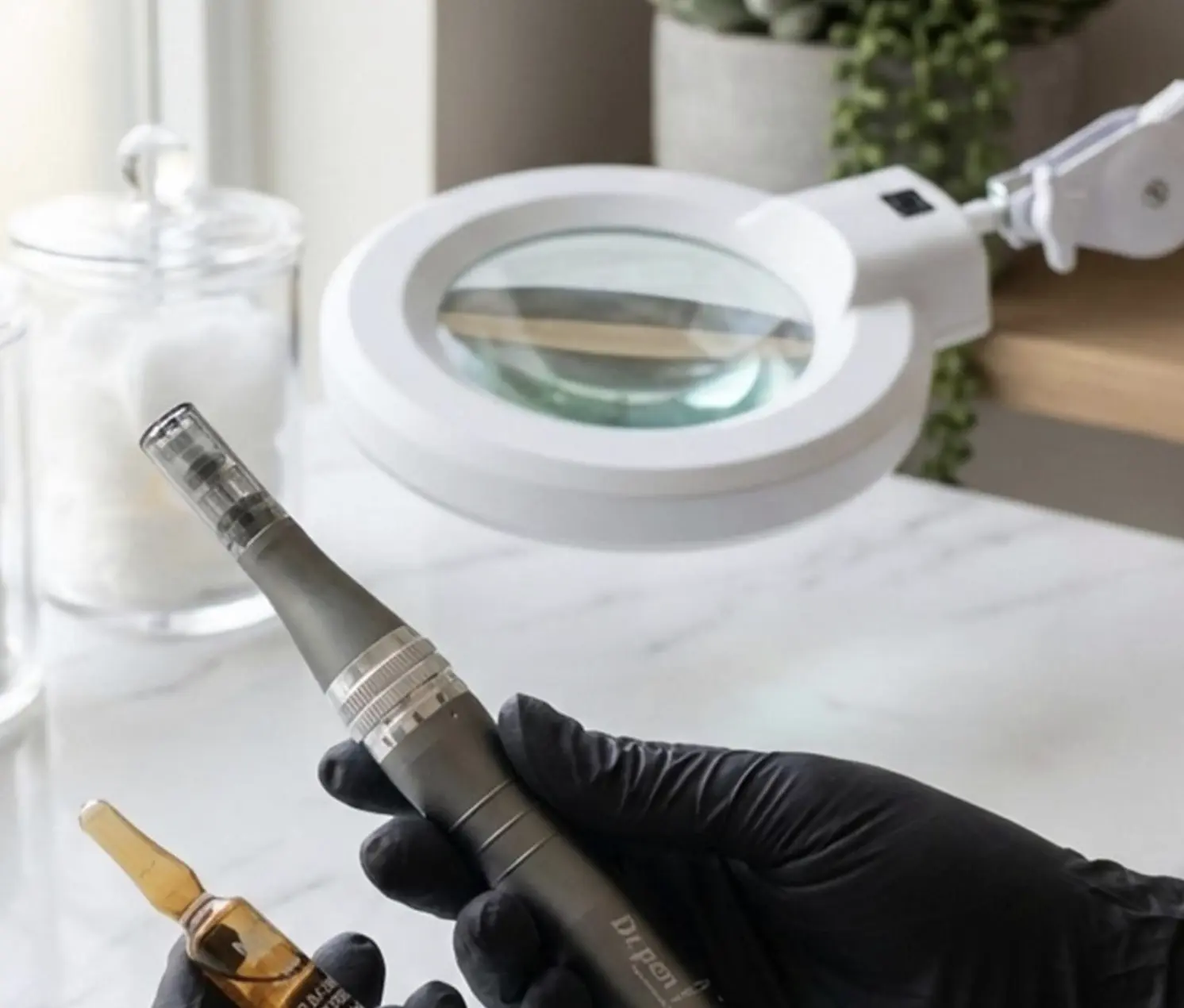
What is Microneedling?
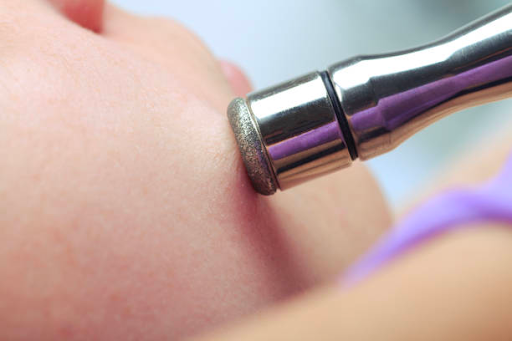
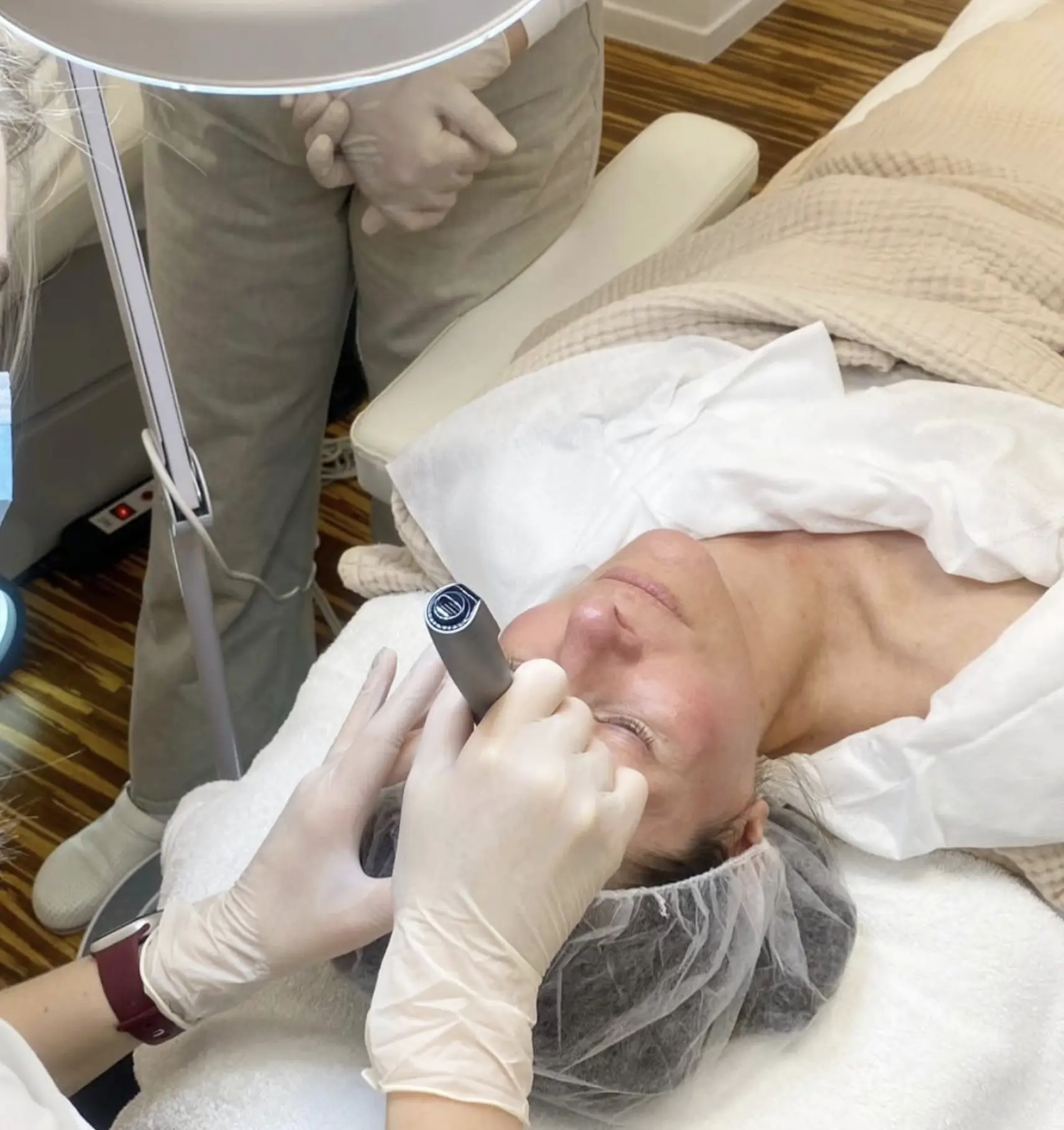
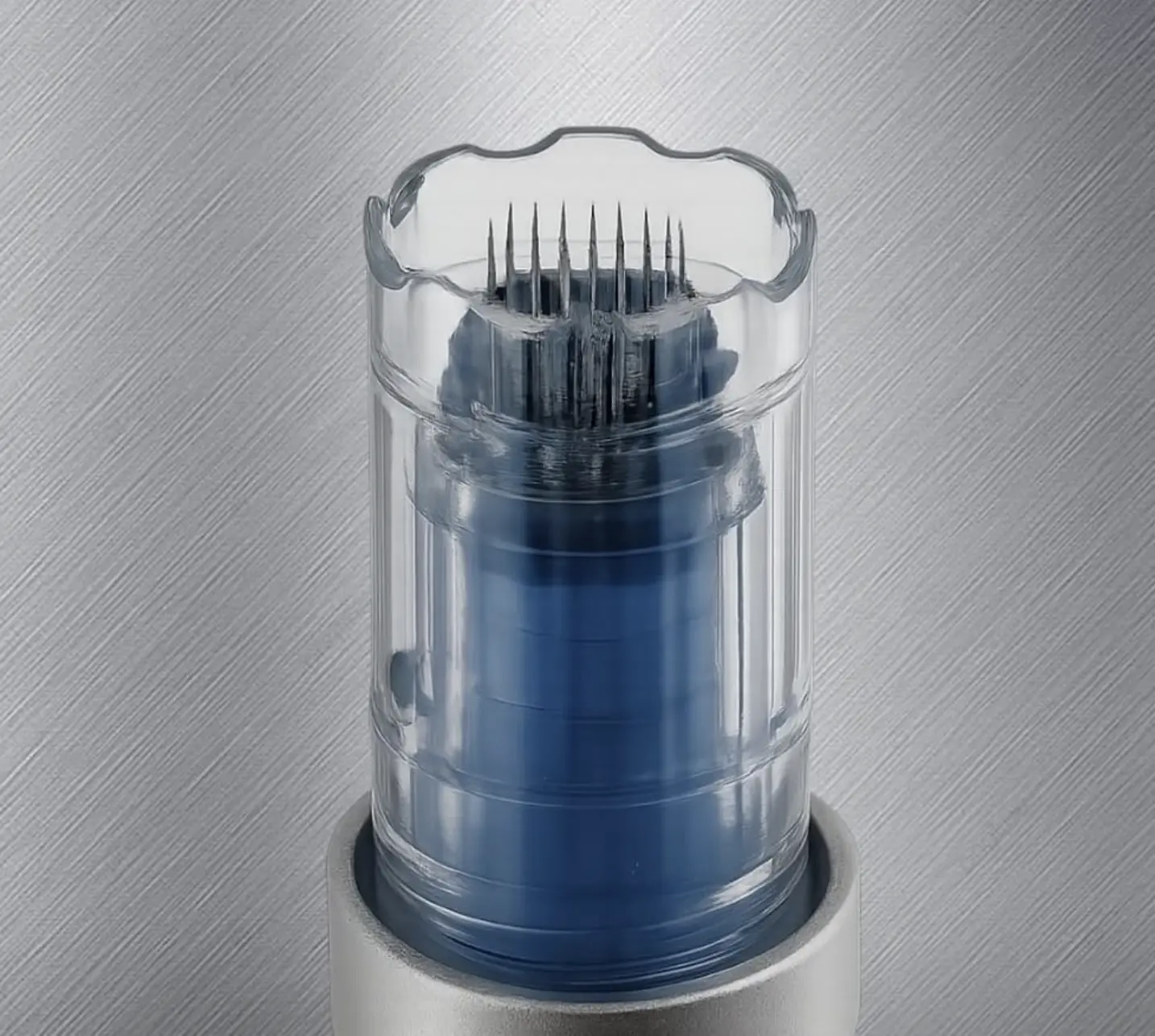
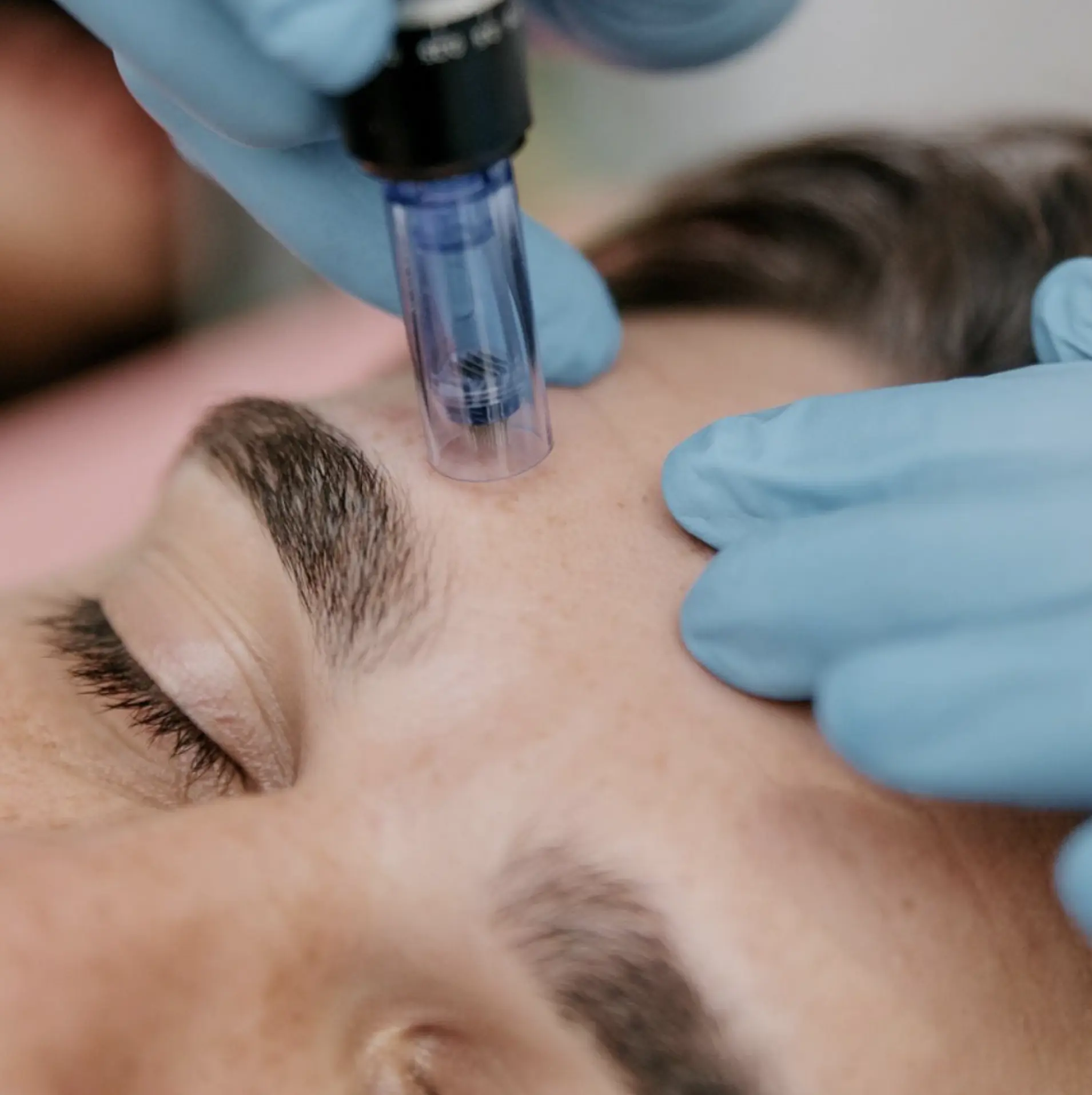
Microneedling – also known as skin needling or collagen stimulation – uses super fine needles to kickstart your skin’s natural healing process. This reactivates collagen and elastin production, improving skin texture and tone, and overall skin health. If you start at the right time in your skin journey, you can expect to see smoother skin, less noticeable fine lines, fewer acne scars, and healthier-looking skin.
How To Know If Your Skin Is Ready
Before diving into microneedling at The Facial Hub, your skin needs to be in a stable place – the right ‘place’ being a barrier that’s holding strong, cell turnover that’s in check, and those pesky fine lines, wrinkles and scars that your usual skincare routine just can’t seem to tackle on its own. We often meet clients who’ve tried other ways to rejuvenate their skin only to find that what they really need is a good dose of collagen induction – not just another exfoliating treatment.
Having a healthy barrier is huge. It stops harmful infections in their tracks, kickstarts the body’s natural wound-healing processes, and ensures that those collagen-inducing microneedles reach their target sites to do their job.
Think of your skin as needing to be in the right state of foundation before you can really make the most of a microneedling treatment – a bit like renovating a house without first getting the foundations sorted.
The Signs You’re Ready:
- Fine lines that are just refusing to budge, no matter how many serums you slather on
- Old acne scars or stretch marks that you’re hoping will soften a bit
- Enlarged pores and a skin texture that’s just not cooperating
- That first little bit of looseness in the skin as you start to get older
- Sun damage or age spots that are a result of years of getting a bit too much sun
When It’s Not The Right Time:
- If you’re still dealing with an active breakout or inflamed spots
- Or if you’ve recently had a nasty sunburn
- You’ve been overdoing exfoliants, retinol, or skin-lightening products (we know it’s tempting, but hold back)
- You’ve got an autoimmune disease or a skin healing issue going on
- You’ve just had a laser treatment or injected some Botox or filler
- Your skin is all tight and reactive again – that’s your body’s way of telling you it’s not ready for microneedling just yet
Your skin barrier is sort of like your body’s security system – and if it’s all over the shop, you’ll need to calm it down before you can even think about microneedling.
The Best Age To Start Skin Rejuvenation
Microneedling isn’t really about age – it’s more about how your skin behaves and what specific issues you’re trying to tackle. New research shows that collagen production declines by about 1% per year from age 25 (2015 study; that’s about what we’d expect), which explains why men in their late 20s and early 30s start to notice their skin looking a bit rougher.
Early 20s – Hold Off for Now
If your skin is looking pretty good and your elastin levels are on point, you don’t need to bother with microneedling just yet. Stick to what we all know works: decent skincare, some hyaluronic acid, and plenty of sun protection. Trust me – all this advice is the same we give to clients coming in for a facial in Brisbane with Uliana Kasperska, and it’s especially good advice for young folks building long-term skin confidence.
Late 20s to Early 30s – The Time to Get Serious
This is a sweet spot: you may start to notice fine lines, sun damage, a bit of skin sagging – the usual suspects – and a dip in collagen levels. Microneedling can help keep your skin looking younger for longer and prevent deeper wrinkles and sagging from taking hold.
Mid-30s to 50s – The Fix-It Phase
At this stage, you’re probably dealing with more serious skin concerns: wrinkles, acne scars, old scarring, and more. Collagen-boosting treatments can help address a lot of this.
50s+ – Still Worth It, Just Maybe a Bit More Care
Even when you’re a bit older, microneedling still works, but you may need longer healing time. Still worth it – that collagen boost is worth the wait.
Skin Issues That Improve Most
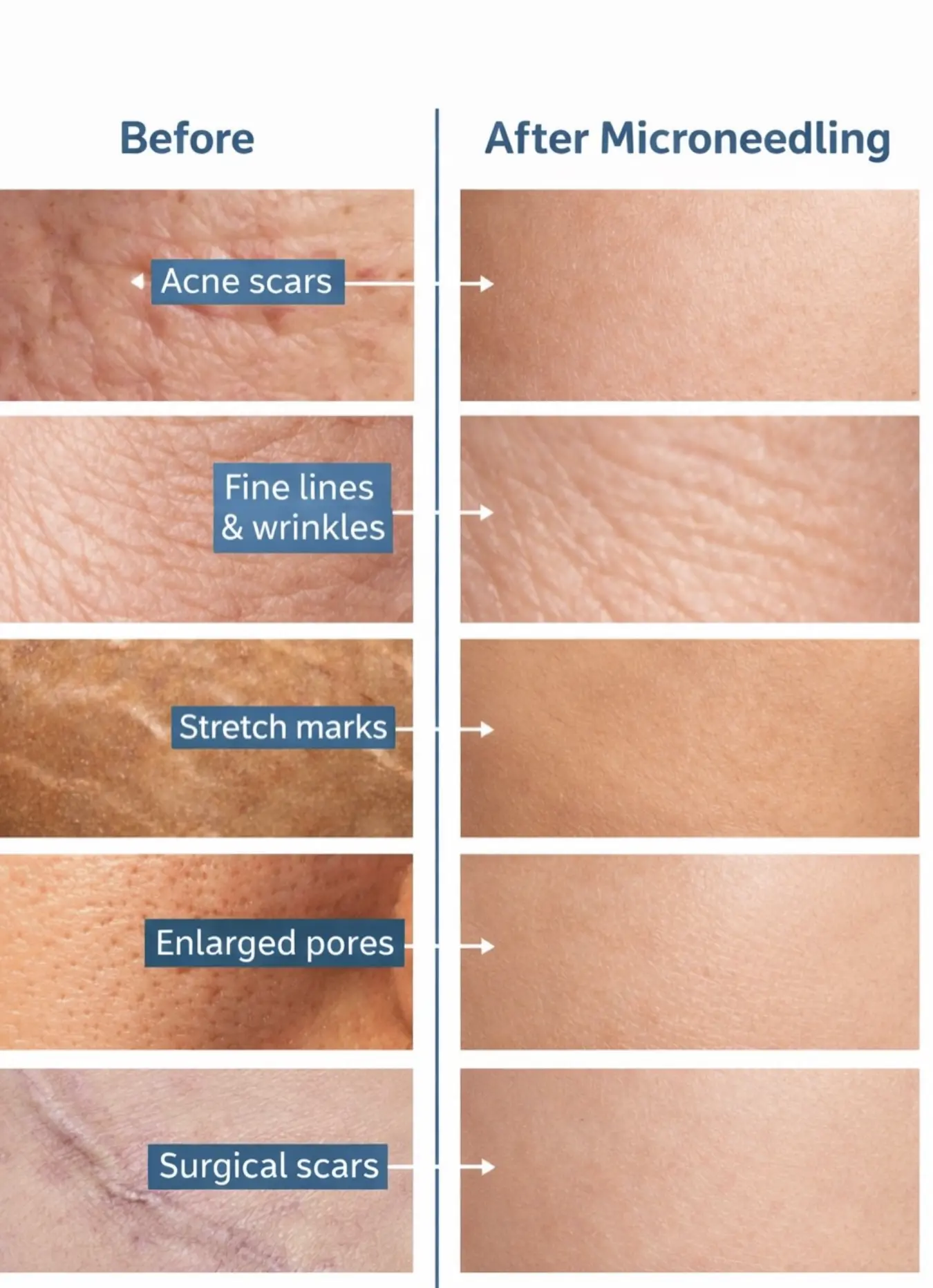
Microneedling is one of those treatments that can do just about anything. Over time, I’ve seen clients improve a wide range of concerns:
- Fine lines and signs of ageing – rebuilding structure beneath wrinkles and boosting collagen
- Acne scars and texture issues – stimulating collagen to soften pitted scars
- Enlarged pores – tightening surrounding tissue for smoother skin
- Sun damage and age spots – especially common for Queenslanders
- Mild skin sagging – supporting deeper skin layers without surgery
Clear Treatment Timeline & Frequency
Not all skin types require the same spacing. The table below reflects common timelines used across Australian clinics in 2025–2026.
| Skin Concern | Recommended Spacing | Typical Course | Why It Works |
|---|---|---|---|
| Fine lines + early ageing | Every 6–8 weeks | 3–4 sessions | Collagen induction + wound-healing processes |
| Acne scars | Every 4–6 weeks | 4–6 sessions | Remodelling old scarring |
| Pigmentation + sun damage | Every 6 weeks | 3–5 sessions | Rebuilding structure and evening skin tone |
| Enlarged pores + texture | Every 6 weeks | 3–4 sessions | Cellular turnover and skin tightening |
| General rejuvenation | Every 8 weeks | Ongoing | Healthy extracellular matrix + skin health |
This timeline changes if incorporating platelet-rich plasma (PRP), growth factors, or RF energy microneedling devices (which go deeper).
Why Starting Too Early Can Backfire
The skin’s natural collagen production can be disrupted if you use fine needles too soon. I’ve had clients who tried a derma roller at home and ended up with irritation and skin that wouldn’t heal properly.
Starting cause:
- Unnecessary inflammation
- Increased skin sensitivity
- Compromised healing
- Dryness or irritation afterwards
Microneedling works because your skin needs a little help stimulating collagen – not because it’s already got a pile of it.
Australian Pricing (2026)
Professional microneedling is a whole different ball game from DIY derma rollers. We use sterile electric devices designed for deep skin penetration.
What You Can Expect To Pay:
- Face microneedling: $250 – $450
- Face + neck: $500 – $650
- Course packages: 3–6 sessions at a discounted rate
You really do get what you pay for – a reputable therapist, proper hygiene, and medical-grade equipment are non-negotiable.
Professional Recommendation
If you’re starting to see fine lines or even a bit of skin looseness, it may be time to consider microneedling as the next step in your skin rejuvenation journey. A consultation at The Facial Hub Brisbane will help us work out the best treatment for your skin type and lifestyle. Not sure what’s going on with your skin? Book a consultation – we’ll create a plan that works for you.
FAQ
Does microneedling work on all skin types?
Yep – even those with sensitive skin can get it done when we adjust the protocol, especially when there are issues with pigment.
Is microneedling better than a chemical peel?
Different strokes for different folks – microneedling works on deeper collagen and scarring, whereas chemical peels focus on the surface of the skin.
Can I microneedle if I have active acne?
Sorry, but no – that’s just asking for trouble.
Does microneedling help with age spots?
Yes – it helps break down pigment and supports a more even skin tone.
How long until I see results?
Most people notice visible improvements within 4 to 6 weeks, as collagen production begins to take effect.